Featured

Careers for Returning Citizens

By Sarah Hubert

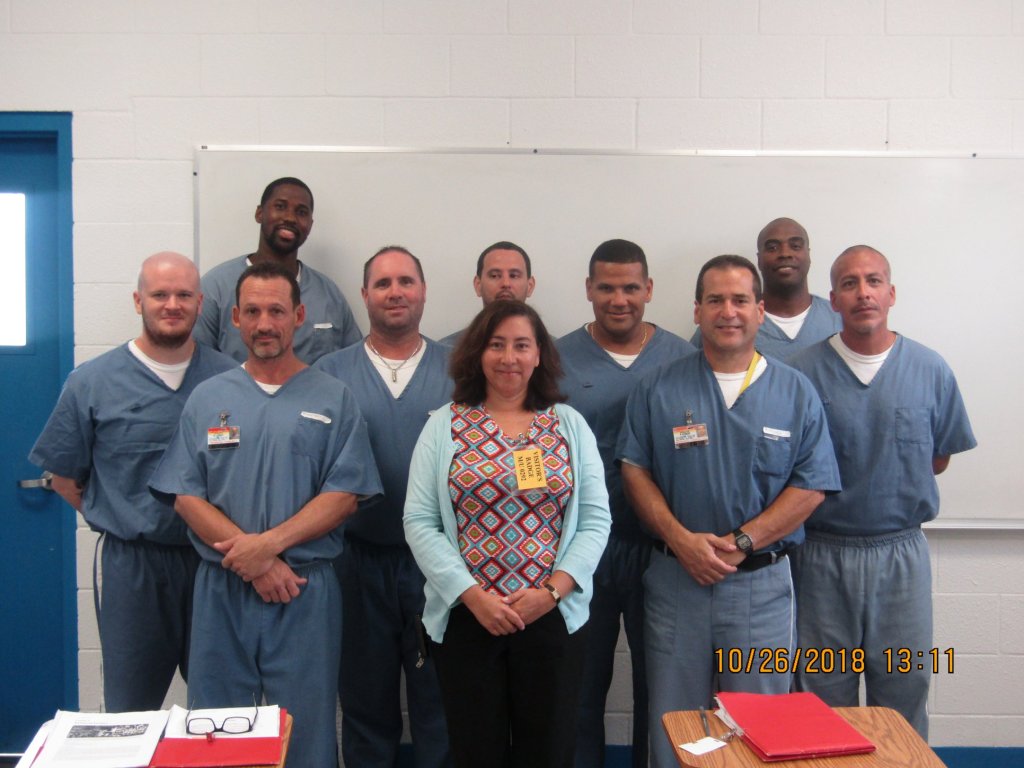
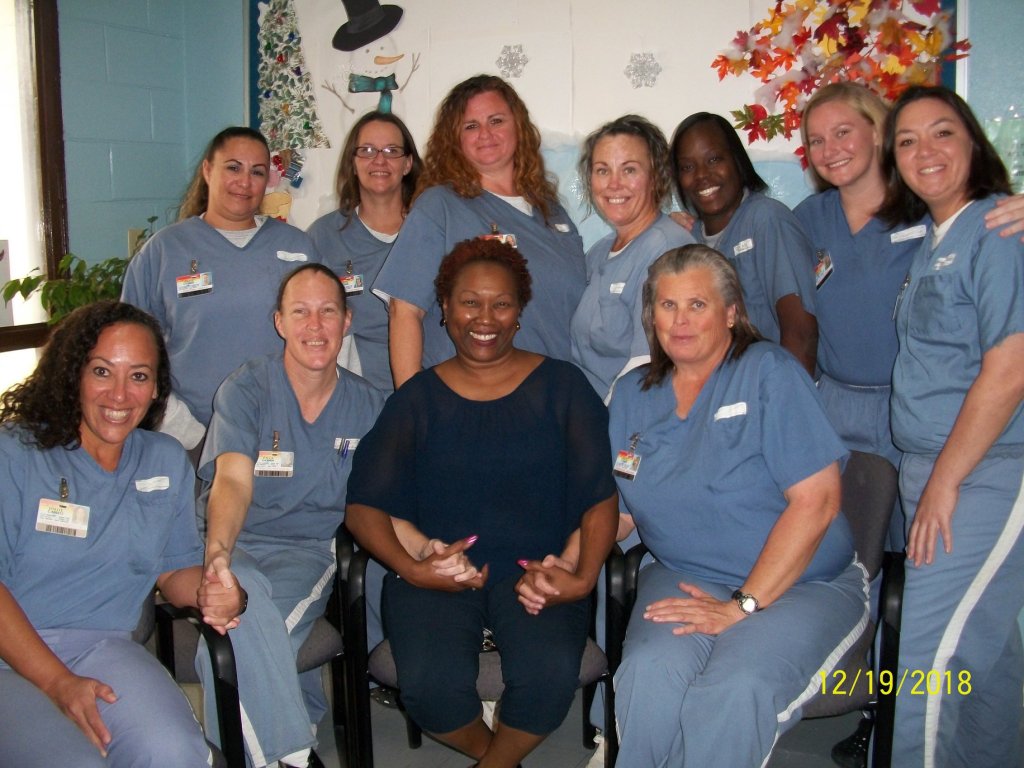
Students upon completion of the Fall 2019 “Memoir Writing” class at CFRC

If you or a loved one is preparing to re-enter the workforce, it is common for a wide variety of questions and fears to present themselves. We have assembled a list of jobs that have a good chance of hiring ex-offenders. This list is by no means comprehensive; if you are interested in any particular field that is not included here, don’t feel discouraged. You can and should explore any career path that appeals to you. With that in mind, here are ten career paths that could be a good place to start.

1. Restaurants

One of the best parts of the restaurant industry is the flexible hours. If you have a family, romantic partner, or any other relationship that you want to focus on, it’s important to choose a career that will allow you to work around them. Many restaurants, especially fast-food, will hire regardless of ex-offender status. This is a job that will require you to work with people well, and assist in the cooking or preparation of food.

Requirements: willing to work flexible hours, no education required, should be comfortable in a kitchen

Challenges: usually back of house, not always high pay, hours may be limited

2. Warehouse

While heavy lifting or loud machinery may not be desirable to you, the warehouse industry has plenty of room to advance your career. You might start out as a stock laborer, but you could work yourself up to management. Most warehouse companies are small, so they are more likely to promote internally instead of hiring outside the business.

Requirements: Must be able to lift heavy items, must be comfortable working in a small team with the same people every day

Challenges: Physically challenging, working in potentially dirty or dark warehouses

3. Customer Service

There are a few types of customer service jobs we’d like to mention. The first is the group of people that work at call centers or other support centers. If someone is having a problem with a product, they might call the center. The second type of customer service job is face-to-face. An example of this is the type of person you might meet at a car rental facility. Either way, these types of jobs are excellent for people who enjoy talking to others and meeting their needs.

Requirements: must be comfortable and enjoy talking to people, must have problem solving skills and a good attitude

Challenges: people can be upset or difficult to work with, you may not always be able to provide the solution they are working for

4. Construction

If you are willing to spend a lot of time outdoors in the heat and don’t mind manual labor, construction is a steady, consistent job in most cities. This job requires adherence to safety protocols and working on a team.

Requirements: work in extreme conditions, work nights, sometimes need to operate machinery

Challenges: tough, manual labor that can be dangerous at times

5. Production

Florida has over 330,000 manufacturing jobs in around 19,000 companies. Many of these produce electronics and aviation technology. The work may be repetitive, but it is steady and there are often opportunities for advancement within the company.

Requirements: comfortable in the factory setting, ability to do repetitive tasks with ease and efficiency

Challenges: can be physically demanding depending on the type of job

6. Auto Repair

One of the biggest advantages to working in auto repair is that most companies are owned and operated by an individual or small group of people. This means that during the hiring process you will not have to be examined by a large board or administration that is removed from the actual job. Many people own and operate their own shops, and are therefore more invested in the work being done and the people they hire.

Requirements: must be comfortable with manual labor, able to work in a team environment, good at problem solving, customer service skills

Challenges: work must be done in the heat or in strenuous positions at times, need to be able to work in a team setting
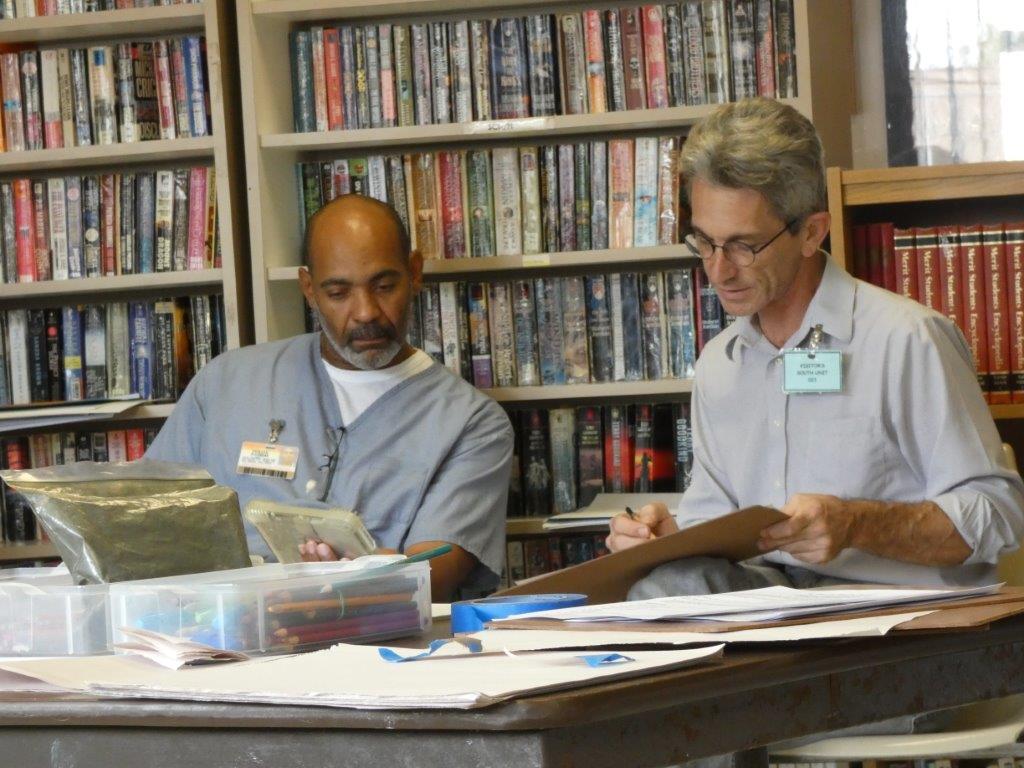
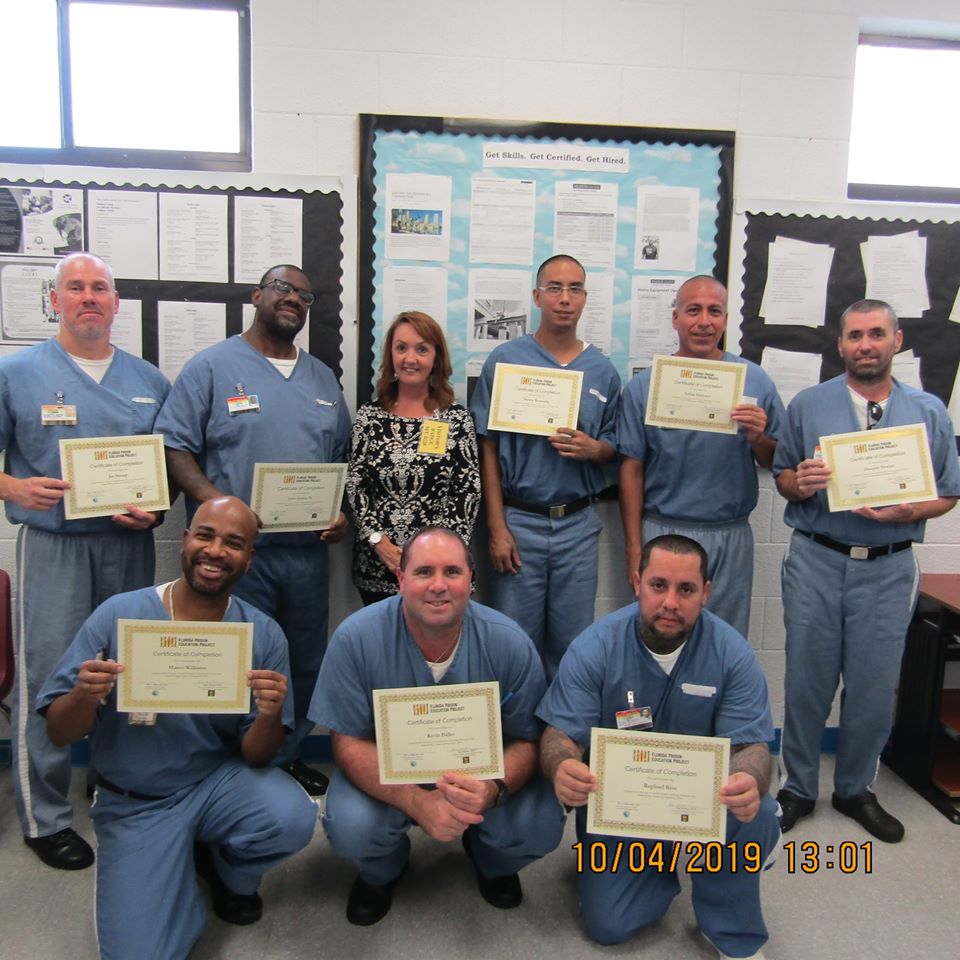
Instructor LaShanna Tyson and students

7. Entrepreneurship

In the modern age, many people are choosing to become their own boss. Starting your own business ensures that you won’t have to answer to anyone else’s authority, but it also means that you will have to handle all of the operations, costs, and other work that comes with starting a new business. If you decide to choose this route, you must be sure that you have an idea that you will remain passionate about, and a strategy of how to succeed.

Requirements: hard work ethic, ability to cover start-up costs, willing to work hard, commitment

Challenges: very demanding, no guarantee of success or money, can be a financial burden

8. Retail

Retailers nationwide are announcing their programs for hiring returning citizens. Target has made a pledge to do so, and Goodwill has a program specifically for people who have felony convictions. Publix also has a good history of hiring ex-offenders.

Requirements: good customer service skills, ability to stand for long hours, capable of handling sums of money, being good at sales is an advantage

Challenges: some places will not hire if you have theft conviction, hours are not always consistent and you may not be guaranteed enough hours at first 

9. Nonprofits

There are many nonprofits in the United States that seek to help returning citizens find jobs and provide other services. Sometimes, these nonprofits themselves are hiring. If you are interested in helping other people who may have a similar life experience to you, this could be a great place to start. Even if the organization itself isn’t hiring, these places may have community connections that could help you out.

Requirements: depends on the job, most likely need to work with people

Challenges: are not always hiring, often the companies are underfunded so workload may be very high or unorganized

10. Temp agencies

While a temp agency itself will not pay you, it will hire you out to different companies that need workers on a temporary basis. Sometimes these contracts can range from a few days to multiple years. Most last a few months to a year.

Requirements: flexibility, able to adapt quickly to different work environments, interest in working with many different people

Challenges: work can be unpredictable or sparse, you may be asked to do a wide variety of jobs

Final Thoughts

When searching for a job, the most important thing is to be honest. You do not have to disclose everything right away, but it is better to tell a potential employer about upfront about your past then to have them discover it on a background check. Many companies are invested in giving second chances and committed to peoples’ ability to change, and the best way to work with them is to be upfront.

Prisons and Mental Health: What is the Relation?

By: Sam Kantor 

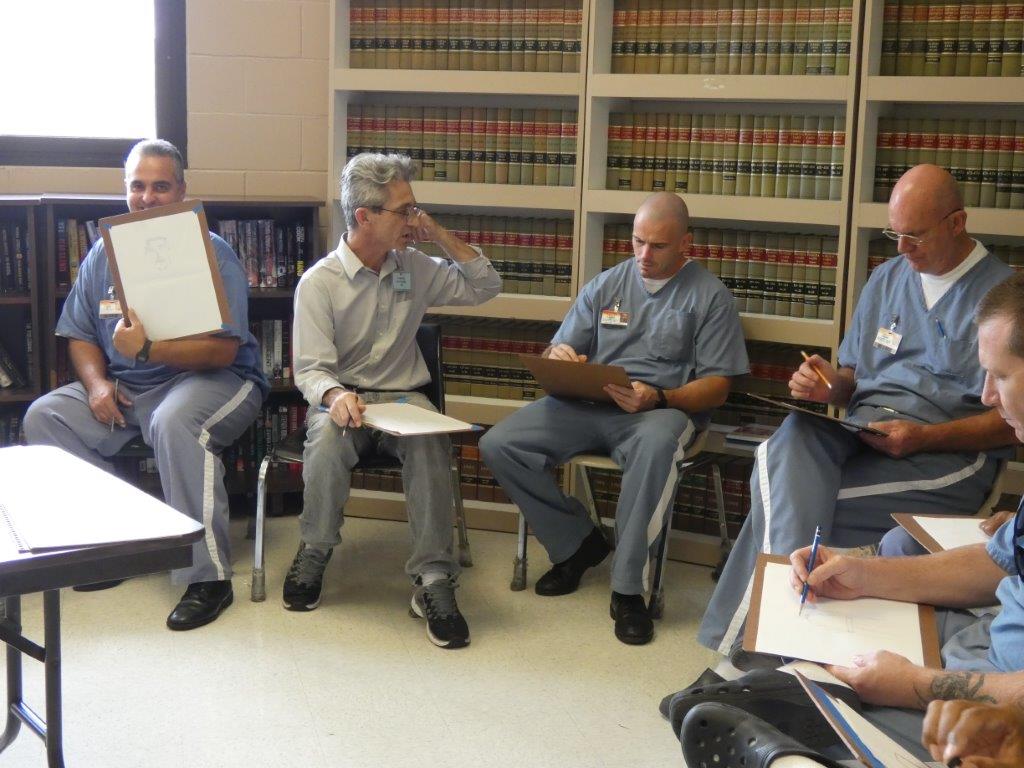
An incarcerated student’s artwork. FPEP students report improvements in their mental health after engagement in a course.

When it comes to prison reform, mental health is often neglected. During the 1970s, the War on Drugs began, which mandated harsh sentences for any drug related activity, regardless of drug amount or first offence. Unfortunately, this did not address the issue of substance dependency’s links to mental illness (PrisonerHealth). 

The estimated 60% increase in federal prison and 50% increase in state prison populations between 1985 and 2000 may be attributed to this “tough on crime” approach (PrisonerHealth). 

Unfortunately, the system currently lacks enough support for treatment of drug-related dependencies, which can exacerbate these problems both in prison and post-release. In addition to this, according to Judge Steven Leifman from the Miami-Dade County Court, 9% of incarcerated people have symptoms related to schizophrenia, bipolar disorder, or major depression (PSYCOM). 

People struggling with mental illness have an even tougher time in prison. According to the Treatment Advocacy Center, the average jail stay in 26 days, and those with mental illness are likely to receive an average of 51 days. Subsequently, people with mental illnesses are nine times more likely to be in prisons than hospitals, and 40% will become involved with law enforcement at least once in their lifetime (PSYCOM). 

According to the World Health Organization, the frequency of mental disorders in prison may be attributed to the perpetual stereotype that individuals with several mental illnesses are threatening to society. However, as the National Alliance on Mental Illness points out, the majority of incarcerated people are not violent, and are awaiting trial or on trial for minor offenses, and 83% of them do not have access to essential medical care. 

Unfortunately, because the prison environment is not equipped to properly handle mental health problems, incarcerating people with mental health often leads to dire consequences such as suicide. The Treatment Advocacy Center estimates half of suicides in correctional facilities are committed by those plagued with mental health problems. 

According to PSYCOM, those suffering with Mental Illnesses are nine times more likely to be in jail than in hospitals. 

(Source: Coastal Virginia Magazine)

This begs the question, what reform approach should the Criminal Justice System take? There are several solutions proposed by the World Health Organization

  1. Provide mental health treatment and care: Direct people towards the mental health system, not the prison system. Incarcerated individuals should receive care and treatment equivalent to community standards by trained mental health staff; assessments, substance abuse treatment, and specialist referrals should be accessible both in and outside of the prison. People who require acute care should be transferred to psychiatric wards in hospitals outside of the prisons. Providers will ensure incarcerated patients receive psychosocial support and prescribed psychotropic medications. 
  1. Provide proper training of prison staff: Prison staff should receive mental health training to help understand disorders, destigmatize mental illness, and promote mental wellbeing. Additionally, there is the emphasis on increased staff recogntion and preventation of suicide. 
  1. Promote higher standards in prison management: Make prisons a better environment by providing incarcerated people better food, sanitation, physical activities, the promotion of a safe and non-discriminatory environment, and the promotion of social networks. 
  1. Promote mental health legislation to protect human rights: Partnership with elected officials can establish legal provisions that address the mental health needs of incarcerated individuals and acknowledge their right to be treated humanely. These rights include the right to accept treatment, the right to refuse treatment, the right to confidentiality, and security from violence, discrimination, and inhumane forms of treatment. Additionally, prisons should work to ensure that any National Mental Health policies/plans address the needs of the prison population. Furthermore, they should support intersectional collaboration amongst relevant stakeholders and departments to discuss and plan mental health reform in prisons.
  1. Educate incarcerated individuals and their families on mental health: Provide education about the fruition of mental disorders, attempt reduction of stigma and discrimination, encourage the prevention of mental disorders and the promotion of mental health to help incarcerated people and their families. This can teach incarcerated people to assert control over negative effects from mental illness and encourage them to seek help. 

FPEP students have reported improved ways of self expression and more positive feelings about life after engaging with course material.

How FPEP works to reduce the problem

FPEP offers art-based education which benefits the mental health of incarcerated students. These classes include Arts and Wellness Education, taught by Dr. Keri Watson in the spring of 2019, which used themes from the book Station Eleven by Emily St. John Mandel. By exploring themes of the book, the course focused on the salience of arts in society and discussions around its value in everyday life. 

Additionally, Dr. Sharon Woodill taught Love, Faith, Family, and Friendship, which informed students on the salience of open-mindedness, which focused on the ability to listen and feel another person’s perspective. Both of these classes offered students a chance for reflection and self-growth.  

The students informed us that they found newer and healthier ways to express themselves, which contributed to their mental health. They also learned how to improve their relationships and challenge their thoughts, which are two crucial aspects to a healthy mind. Here at FPEP, we strike to continue to work to improve the lives of incarcerated students in all ways, including the mental health sphere. 

The Benefits of Higher Education in Prison

By Sarah Hubert

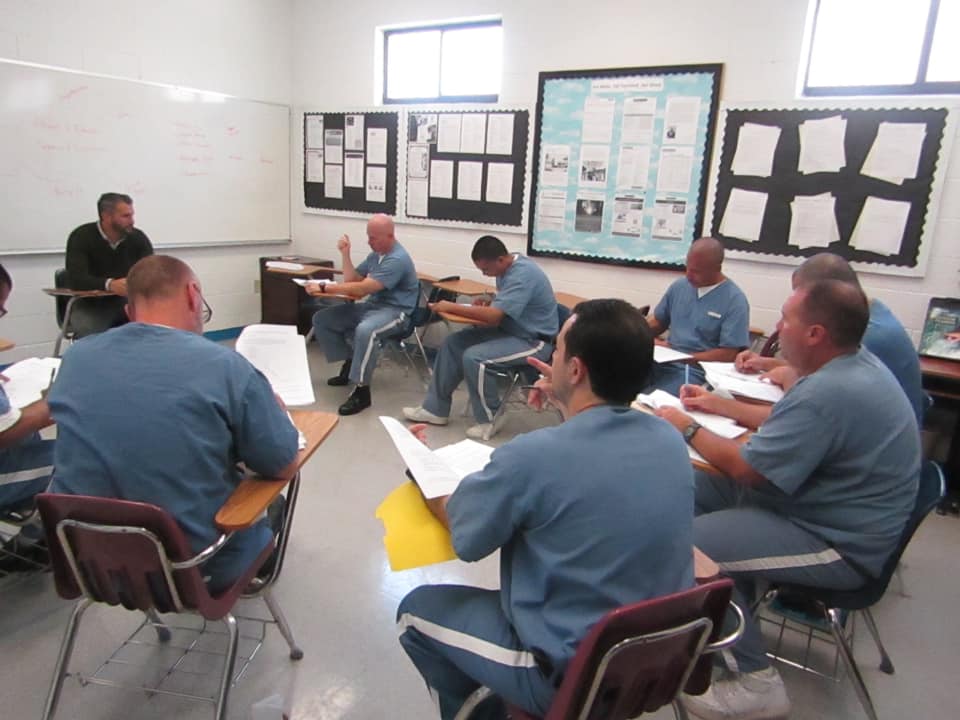
FPEP class in Summer 2019

If you’re reading this article, you probably already have an interest in higher education in prison. Maybe you found us on social media, maybe you talked to us at a book drive or event, or maybe you have a loved one who has gone through our education programs. That being said, you might not be fully aware of all of the reasons to support higher ed for the incarcerated. If you decide to talk to a friend or family member about FPEP, it’s important to be able to articulate why the project is important and necessary. We have compiled a list of a few talking points to get you started.

Reduce Recidivism

Studies have shown that access to higher education lowers recidivism by around 46% (Institute for Higher Education Policy). The Rand Corporation estimates 43%. This implies that if people are able to participate in educational programs, they will re-enter society ready to work and less likely to re-offend.

First Chance

“One important point that emerged [at Department of Education listening sessions] is the fact that for many incarcerated people, access to education in prison was not a second chance: it was a first chance.” (Vera Institute) Education is an opportunity to make real change in the lives of people who truly need it. To be given an education is a right that many people do not have access to for a variety of reasons. Prison education is one way to reach a population who has been historically underserved.

Mental Health Benefits

Education assists people in more ways than just preparing them for re-entry. “A student said that being in a learning cohort has helped him feel less alone” (US Government Accountability Office). People working in prisons have commented on the support groups and mentorship that appear when incarcerated people have a common goal and education they are working towards. This can further help people in their process of reforming.

More Productive Employees

Studies show that “incarcerated students who participated in a postsecondary program while in prison were more likely to find employment after release, work more hours, or earn higher wages than those who did not participate,” (US Government Accountability Office). In other words, people who have had access to education are not only more likely to find employment, but also to be better at their jobs. People who are educated will be more productive members of society.

Cheaper for Society

Studies show how much money is saved when ex-offenders are educated and re-enter society ready to work. For example, “cost analysis in Washington State found that correctional education had a return-on-investment of $19.62 for participants and taxpayers for each dollar spent, and vocational education in prison had a return-on-investment of $13.21 for each dollar spent.” (US Government Accountability Office). The cost to incarcerate someone is huge, so if people are not re-offending and instead contributing to society, everyone benefits financially.

Prisons Become Safer

Studies show that not only will people be less likely to re-offend when they are released, but that their behavior also improves within prison. This helps keep others safe. Another student interviewed by the US Government Accountability Office said that “time spent in class helps inmates be less idle and therefore less likely to engage in negative behavior.” When people have something to work towards and to keep them busy, there is less of a reason to misbehave.

People-First Language

By Sarah Hubert

Why is it so important to use People-First Language? If you read our article on the 10 Things You Can Do to Help Prison Reform, you know that it’s important to put the individual above their criminal history or incarceration status. 

Everyone is so much more than their actions. Returning citizens face a wide variety of difficulties, including discrimination based on their ex-offender status. It’s important that as advocates we use language that prioritizes human beings. One of the easiest ways to do this is to use people-first language.

Examples of People-First Language

Use ThisNot That
Former offender
Returning citizen
Person
Ex-offender
Inmate
Convict
Felon
Offender
Prisoner
Con
Criminal

If it’s not relevant to what you are talking about, don’t bring up their incarceration status at all! Here at FPEP, we talk about our students all of the time without using language to indicate that they are incarcerated unless it’s absolutely necessary to the conversation. If you’re talking about the firefighters in California, you can just call them firefighters. If you are talking about someone you know who has a criminal history, try to put who they are and what they do in life above anything that may have occurred in their past.

Additionally, it is important that we gently correct people in our lives when they misuse this language. It’s not acceptable to use racial slurs, ableist language, or sexist speech in our lives, so we should not permit the use of outdated language in regards to ex-offenders.

Some people prefer to use terms like “inmate” and “convict” to describe themselves. This is similar to other historically oppressed groups that have chosen to reclaim slurs against their identities. However, unless you belong to the group, or someone has expressly told you they prefer these terms, it is not appropriate to use this language.

If someone you know insists on one term over another, respect their preference. The criminal justice system disenfranchises people in a methodical way, so it is important to give the power back to the people as much as possible.

For more information, check out The Osbourne Association, the Prison Studies Project, and The Marshall Project.

Panelists at FPEP’s College Behind Bars event, where People-First Language came into the discussion.

About FPEP

Founded in 2017, FPEP is an initiative of the University of Central Florida that seeks to offer a high-quality undergraduate education to people who are incarcerated in Central Florida.

Mass incarceration is among the most crucial issues of our time. Although the United States comprises only 5% of the world’s population, we house more than 25% of its prisoners, and since 1978, the U.S. prison population has increased by 408%.

Each year, 33,000 people are released from Florida prisons, and another 80,000 are released from community supervision. Approximately a third of these ex-offenders will be rearrested within 3 years, but evidence shows that education increases the likelihood of post-release employment by 58%, reduces recidivism by 40%, and saves taxpayers money. Yet, until recently, Florida was one of only 12 states that did not offer any college courses to prisoners.

Research shows that desistance, or the process by which people learn to be law-abiding citizens, is supported by three main factors: social bonds, educational attainment, and employment.

By 2020, an estimated 65% of all jobs will require postsecondary education, but most prisoners in Florida have limited access to higher education, despite the fact that statistical evidence overwhelmingly confirms that a college education reduces recidivism, increases employment opportunities, and strengthens communities. As the largest university in the state, UCF is well-positioned to bring transformative education to those behind bars.

The Florida Prison Education Project draws upon the unique strengths and assets of UCF to offer impactful programs in mixed modalities that focus on building social relationships, matriculating students, and preparing them for employment in the 21st-century global economy.

10 Things You Can Do to Help Prison Reform

By Sarah Hubert

It’s easier to get involved than you think.

The most frequent questions we receive at FPEP are about how to get more involved and what you can do to help. We understand how difficult fighting for a cause can seem. There are many problems; it’s hard to know where to begin. However, every movement begins with small steps that lead to larger ones, until solutions take shape. So here are some ideas of what you can do on an individual level to combat the larger issues around prison reform.

1. Stay Educated

Are you following FPEP on Instagram, Facebook, and Twitter? Are you following other prison education projects? The ACLU? Social media is one of the easiest ways to stay educated about issues impacting the incarcerated and formerly incarcerated persons in our society. We also recommend books such as The New Jim Crow by Michelle Alexander, and Baz Dreisinger’s Incarceration Nations.

2. Donate

Without your donations, FPEP would not be possible. Our teachers currently volunteer their time, but things like books, pencils, notebooks, and other supplies come to us by donation. As our program continues to expand, so do our costs. Any amount helps greatly.

3. Spread the Word

Have you ever had a conversation that inspired you to take action? As much as we use social media and the internet, nothing will ever beat face to face conversation. If you read an article or see a post that resonates with you, talk to a friend about it. If someone you know says something ignorant about prisons or prison reform, gently educate them. Decreasing the stigma is the first step to building pathways and futures for the incarcerated, and the best way to do that is through open communication.

4. Volunteer

Get involved with a local organization that helps with prison reform. FPEP is one of many options. If you don’t know where to start, you can contact your local prison to see if they know of any organizations. The ACLU is another place to look. You could also choose an organization that helps build community, promote education, decrease addiction, or addresses any of the other contributors to the growing prison population.

5. Be active in politics

Not everyone can run for office. But anyone can do simple things like registering to vote, staying informed about issues in their district, and calling their legislators. For example, there is an ongoing debate about letting people with felony convictions vote in the state of Florida. This was legalized through a general vote in November 2018, but restrictions have been put in place that prevent some people from voting. You can help by following groups like the ACLU in Florida, reaching out to your senators, and checking to see if people in your district will be affected.

Graduation photo taken at completion of POS 2041: American National Government taught by Dr. Annabelle Conroy at the Central Florida Reception Center Fall 2018.

6. Involve yourself in your community

One of the best ways to prevent incarceration is to provide other opportunities for people. Get involved with a youth program or community group. Educate yourself on what issues face the impoverished community in your area. Most people don’t commit crimes because they are bad or evil, but because they lack options and the system is stacked against them. You can be a part of that change.

7. Invest in schools

The school-to-prison pipeline is the cycle of oppressive policies that gets children out of schools and into the criminal justice system. One of the best ways to prevent this is to hire more staff and teachers in schools, and to train them in  de-escalation and positive behavior modification techniques so that they can work with students instead of suspending, expelling, or arresting them. You could volunteer in a school, go to your next school board meeting, or research how your local schools combat the pipeline and how you can get involved.

8. Vote

Voting is one of the most important things a citizen can do. Voting determines what policies get passed on the subject of prison reform, as well as who will be making the decisions. If you are not registered to vote, you can do so here. Encourage family and friends to vote, and help educate them on the issues when it comes time.

9. Use people-first language

There is a stigma around having a criminal record, and it starts with the way people talk about it. Avoid using words like “convict”, “felon”, and “inmate”, as they have a negative connotation in our society. Instead, say things like “returning citizen”, “ex-offender”, and “incarcerated person”. Focus on the people, not on their previous offences or incarceration status.

10. Find out about your company’s hiring processes and encourage them to ban the box

It is incredibly difficult to find a job after incarceration. Even though people have done what the justice system has asked of them, having a criminal record can prevent people from getting employed. The Society for Human Resource Management, the ACLU, the Equal Employment Opportunity Commission, and other national organizations and offices encourage employers to Ban the Box, meaning that they wait to ask about criminal history until after a job offer has been made. Additionally, employers should only consider criminal history relevant if it directly relates to the job. 

Design a site like this with WordPress.com
Get started